
Introduction
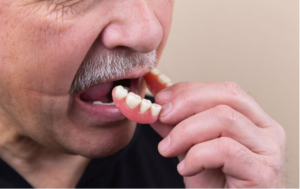
When a tooth is out of place, it is considered loose. It can feel very scary and the feeling as to why do my teeth feel loose can even give you nightmares. It is normal for kids and old people to experience tooth loss as they develop; however, it is quite unusual to have an adult tooth that has broken loose. There has to be a more fundamental problem, like a medical issue or a traumatic experience, at its heart.
Moreover, seeing a dentist as soon as you notice any pain could increase the likelihood of salvaging your loose tooth. Sometimes, nonsurgical therapies like dental cleanings and improved at-home oral hygiene may also move loose teeth. Oral surgery might be required to either reattach or remove the loose tooth. So, postponing a visit to the dentist, may lead to more severe issues, including pain, swelling, and infection.
Symptoms Of Loose Teeth
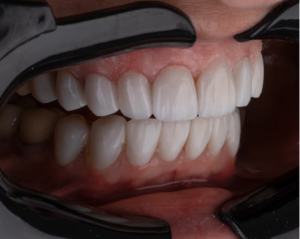
Shaking teeth may make it difficult, if not impossible, to eat, floss, or brush comfortably. Additionally, you may have an “unnatural” feeling while biting down if a tooth is loose. The following symptoms might show signs of loose teeth:
- Swollen gums.
- Tooth discolouration.
- Receding gums.
- Tender, red gums.
- Gums that bleed.
Causes Of Loose Teeth
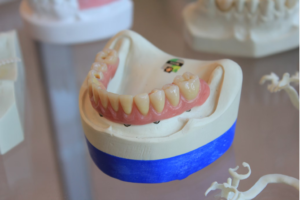
When an adult tooth comes loose, there’s usually a good cause for it. You may first notice any looseness when brushing or flossing, or your dentist might notice a little tremor during your routine cleaning and examination. The following are some main reasons for losing teeth.
Gum Disease
Inflammation and swelling of the gums, along with bleeding during brushing or flossing, are symptoms of gingivitis, a form of gum disease. When plaque hardens and tartar builds below the gum line, periodontitis, a severe gum disease, sets in.
Moreover, loose teeth and gums that are red, inflammatory, and bleeding are signs of periodontitis. To rephrase, tartar may accumulate and release toxins that, if unchecked, erode bone and gums.
Loss of teeth or teeth that are loose could result from untreated periodontitis, which develops from gingivitis. In this case, damage to the tooth structure and enamel may occur as a result of gum disease. When gums pull away from teeth, an infection-prone pocket forms.
Tooth loss occurs when periodontitis-induced deep pockets cause the gradual loss of gum and bone. If you are aware of the signs of gum disease and take prompt action, you may be able to avoid losing your teeth.
Moreover, there are a variety of surgical and non-surgical treatments for severe periodontitis, including deep scaling (root planning and scaling), pocket reduction surgery, soft tissue grafts, bone grafting, and other therapies.
Changes In Bone Structure
Some medical conditions increase a person’s risk of developing periodontitis. Diabetes, high blood pressure, inflammatory bowel disease, and rheumatoid arthritis are all examples of such conditions. Additionally, delaying periodontitis treatment increases the risk of jawbone deformities and bone loss.
Inflammatory diseases such as Crohn’s disease and rheumatoid arthritis may irritate the mouth and gums, and diabetes, which leads to extensive bone loss, can affect the jaw. Also, compared to the general population, those with hypertension are more prone to weak jawbones and calcium loss via urination.
Changes In Pregnancy
The age-old saying “Have a kid, lose a tooth” is relevant even today. Pregnant women may be at increased risk for gum inflammation and bleeding due to hormones produced by their bodies, which may cause an overreaction to dental plaque.
Gingivitis during pregnancy usually won’t cause any major issues down the road. Also, when hormone levels return to normal after having delivery, many women find that their symptoms resolve without further medical intervention.
Moreover, pregnant women whose gum disease has gone untreated are at increased risk for periodontitis and tooth loss. In order to go over your unique dental needs while pregnant or trying to conceive, it’s a good idea to make an appointment with your dentist.
Injury
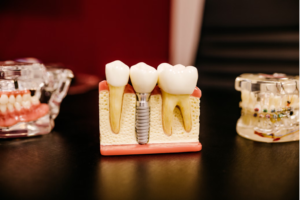
After a face injury such as a fall, accident, or fast impact, a tooth might become loose or misplaced in its socket, a condition called dental luxation. Several symptoms may manifest when teeth move out of alignment, including sensitivity, localised discomfort, bleeding gums, inflamed gums, and loose teeth.
Moreover, a high-pitched sound can also be audible to the injured party when they tap on the tooth. In this case, seeing a dentist right away after finding a loose tooth after an accident is crucial.
Osteoporosis
Osteoporosis, a “silent” illness, causes a person’s bone mass to progressively decline without causing any noticeable symptoms until a bone fracture occurs. After menopause, osteoporosis strikes more often in both sexes, although it can appear at any age.
Moreover, bones become more brittle and readily broken as osteoporosis progresses. Furthermore, the jaw bones become more brittle with osteoporosis, which increases the risk of tooth loss or loose teeth.
Stress
It can be difficult to prioritise oneself when you’re feeling nervous or frightened. You may relax a little when you use toothpaste and floss to clean your teeth. It is easy to forget to do something as simple as washing your teeth.
You will have access to more options for unhealthy meals. When people are feeling stressed, they often turn to sugary meals and beverages as a way to cope. Little is known about sugar, yet it provides a haven for oral microbes.
So, if you eat a lot of sweets and don’t brush your teeth often, plaque will build up and create inflammation.
Teeth Grinding
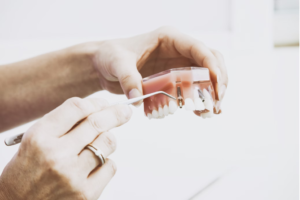
Teeth grinding, or bruxism is something some individuals do unconsciously when awake, while others do it intentionally while they sleep. The exact cause of teeth grinding and clenching is still a mystery, although specialists have suggested snoring, anxiety, and chronic stress as potential contributors.
Furthermore, caffeine and cigarette smoke are stimulants that may trigger bruxism in certain persons. Due to the cumulative effect of the ongoing stress on the ligaments and teeth, individuals with preexisting dental conditions, such as cavities or gum disease, are more likely to have loose teeth.
Medications
Although medication may not cause teeth to fall out per se, it can increase the risk of dental disease. When dental problems go untreated, they may cause teeth to become loose and eventually fall out.
Moreover, some medicines, such as diuretics, antihistamines, antidepressants, and blood pressure medications, may cause fluid loss and dry mouth sensations. A dry mouth is a breeding ground for germs, which in turn facilitates the progression of gum disease and tooth decay.
Treatments For A Loose Tooth

Treatment may begin after your dentist determines the source of your loose tooth. A specialised sort of dental cleaning is necessary for people with gum disease in order to remove the tartar and plaque that has accumulated on the teeth and beneath the gums.
Scaling and root planing are the names of these processes. In this case, your doctor may also recommend medicine as a means of curing your body of any diseases. Scaling also removes plaque and bacteria, while root planing smooths the root surface and promotes gum regeneration. In severe cases, gum disease may need surgical removal. Take a look at these options for treating a loose tooth:
Mouth guard
If you suffer from nighttime tooth crushing, putting on a sleep guard is one option. Ultimately, you’ll see a little space between your front teeth.
Flap surgery
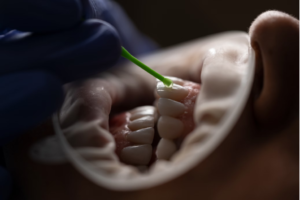
During scaling and root planing, your dentist will make tiny incisions in your gums and remove some gum tissue. The last step in the procedure is to reattach the gum tissue; this method might potentially prevent tooth loss.
Bone grafting
To repair broken or diseased bone, oral surgeons may use specialised bone grafting materials or harvest tiny fragments of bone from another area of the patient’s body. You can also use this to prevent your teeth from moving around as you sleep.
Splinting
In order to prevent a loose implant tooth from falling out of its socket, your dentist may suggest placing a splint. The insertion of a metal rod allows the dentist to attach two neighbouring teeth securely. Also, giving the loosened tooth more support keeps it from moving.
Bite adjustment
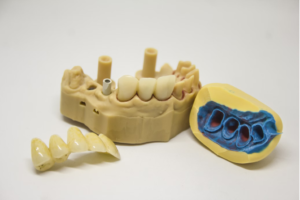
This technique modifies the biting surface of the tooth by chipping away at its enamel over time. Also, because of this, the tooth may be able to heal without suffering any unnecessary strain. One option exists in the event that a tooth has broken loose from the jaw.
Detachment from the jawbone and gums may occur gradually in cases with loose teeth. Serious gum disease or chronic tooth grinding that has gone untreated might be to blame. Contrarily, therapy may improve your bone density and gum health. Not only does this help the healing process along, but it also strengthens teeth. Moreover, if the tooth is really loose, your dentist may advise extracting it and then placing a bridge or implants in its place.
Prevention Of Loose Tooth
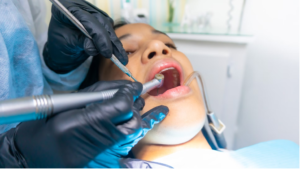
Even while you can’t always prevent a tooth from falling loose, there are steps you can do to make it less likely:
- Get a dental check-up twice yearly.
- Use a night-guard for teeth grinding.
- Take vitamin D and calcium for osteoporosis.
- Avoid smoking.
- Brush and floss twice daily.
- Control medical conditions affecting oral health.
- Wear a mouthguard for sports.
- Know medication effects on oral health.
Final Verdict On Why Do My Teeth Feel Loose?
When an adult tooth falls out, it can be very concerning. But when a tooth feels loose, it can possibly be fixed. The optimal method of repairing a loose tooth depends on the initial reason for the loosening. A combination of regular dental exams and thorough at-home oral care can significantly reduce the risk of gum disease and tooth decay. Whatever the cause, it is always better to visit the dentist as soon as possible.